
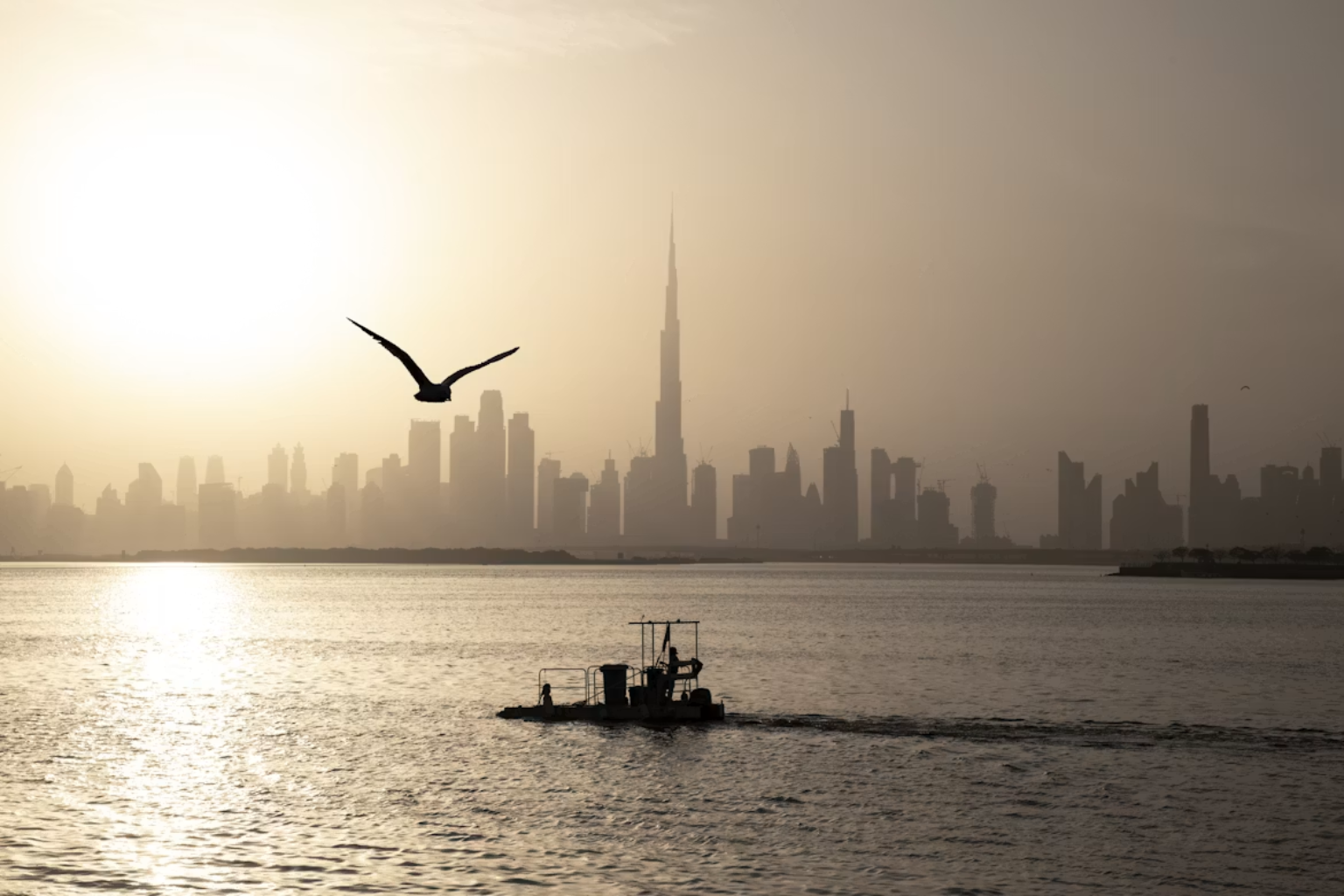
If you’ve stepped outside recently in Dubai, Abu Dhabi, Sharjah, or anywhere across the UAE, you’ve probably asked yourself the same question:
“Is it getting hotter every year?”
The short answer is: Yes.
Many residents have noticed longer heatwaves, warmer nights, and higher daytime temperatures compared to previous years. In 2026, discussions about extreme heat are becoming more common as temperatures continue reaching new seasonal highs.
But why is this happening?
Is it simply summer in the desert, or is there something bigger going on?
Let’s explore the reasons behind the UAE’s increasingly hot weather and what it could mean for the future.
The UAE Has Always Been Hot — But Things Are Changing
The UAE naturally experiences high temperatures because of its desert climate.
During summer months, temperatures regularly exceed 40°C (104°F).
However, scientists have observed several changes over recent decades:
- Longer periods of extreme heat
- Higher average annual temperatures
- More frequent heatwaves
- Warmer nighttime temperatures
- Increased humidity levels in coastal cities
These changes are making summers feel more intense than before.
Climate Change Is Playing a Major Role
One of the biggest factors contributing to rising temperatures worldwide is climate change.
As greenhouse gases increase in the atmosphere, more heat becomes trapped around the Earth.
This process causes:
- Higher global temperatures
- More frequent extreme weather events
- Changes in rainfall patterns
- Stronger heatwaves
The Middle East is considered one of the regions most vulnerable to rising temperatures, making the UAE particularly affected by global warming trends.
Why Humidity Makes the Heat Feel Worse
Many newcomers to the UAE are surprised by one thing:
Sometimes 40°C feels manageable, while other days it feels unbearable.
The difference is humidity.
Cities located near the Arabian Gulf often experience high humidity levels during summer.
When humidity rises:
- Sweat evaporates more slowly
- The body struggles to cool itself
- Heat feels much more intense
- Outdoor activities become more difficult
This is why some summer evenings can feel almost as uncomfortable as daytime temperatures.
The Urban Heat Island Effect
Another factor contributing to rising temperatures is urban development.
Large cities contain:
- Roads
- Concrete buildings
- Glass towers
- Parking areas
These surfaces absorb heat throughout the day and release it slowly at night.
This phenomenon is called the Urban Heat Island Effect.
As a result:
- Cities remain warmer after sunset
- Nighttime temperatures stay elevated
- Cooling becomes more difficult
Modern cities like Dubai continue investing in green spaces and sustainable design to help reduce these effects.
Why Nights Are Feeling Warmer
One of the most noticeable changes residents report is warmer nights.
Historically, desert regions cooled significantly after sunset.
Today, many nights remain unusually warm because of:
- Urban heat retention
- Increased humidity
- Global temperature increases
Scientists often view rising nighttime temperatures as an important indicator of broader climate change trends.
How the UAE Is Responding
The UAE has become a regional leader in sustainability and climate innovation.
Major initiatives include:
- Renewable energy projects
- Solar power development
- Green building standards
- Sustainable communities
- Energy-efficient infrastructure
- Large-scale tree planting efforts
These initiatives aim to reduce environmental impact while improving long-term sustainability.
What Does This Mean for Real Estate?
Interestingly, rising temperatures are also influencing property trends.
Homebuyers increasingly prioritize:
- Energy-efficient homes
- Smart cooling systems
- Sustainable communities
- Green spaces
- Indoor wellness amenities
Developers are responding by creating projects designed to remain comfortable and environmentally responsible even during extreme weather conditions.
How Residents Can Stay Safe During Extreme Heat
During the hottest months, experts recommend:
- Staying hydrated
- Avoiding prolonged outdoor activity during peak hours
- Wearing light clothing
- Using sun protection
- Monitoring weather advisories
- Taking regular breaks in air-conditioned environments
Heat awareness is becoming increasingly important as temperatures continue rising.
Looking Ahead
The UAE remains one of the world’s most innovative countries when it comes to adapting to environmental challenges.
While hotter temperatures are likely to remain a reality in the coming years, investments in technology, sustainability, smart infrastructure, and urban planning are helping the country prepare for the future.
Understanding why temperatures are rising allows residents, businesses, and communities to make better decisions and adapt effectively.
Final Thoughts
The increasing heat experienced across the UAE is influenced by several factors, including climate change, humidity, urban development, and natural desert conditions.
While rising temperatures present challenges, they are also driving innovation in sustainability, architecture, and smart city development.
As the UAE continues evolving, its commitment to climate adaptation and future-focused planning will play an important role in creating more resilient and comfortable communities for generations to come.




Join The Discussion